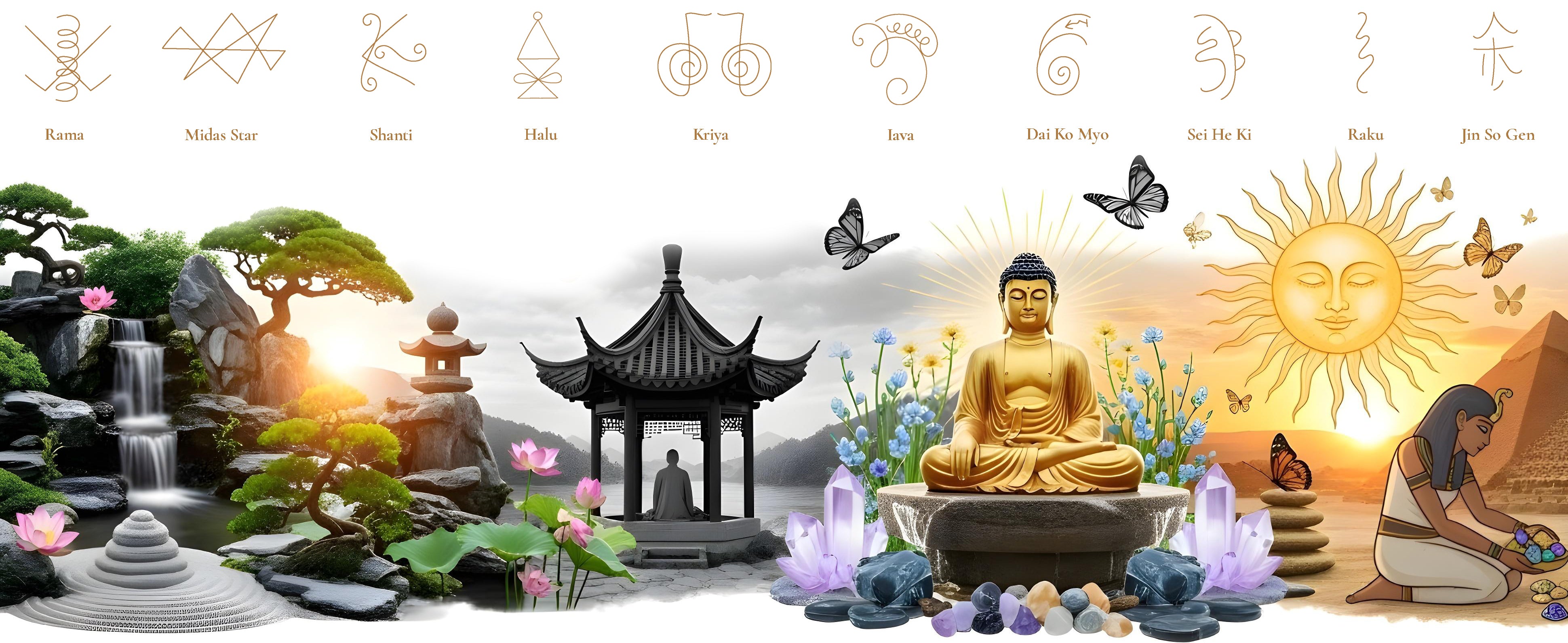
Have you ever pondered how a Buddha Statue might transform your living environment? Such a timeless symbol has the power to foster serenity, prosperity, and unity. In this guide, we delve into the world of Buddha Statues, exploring their significance, ideal positioning, and how they can elevate the energy within your home. Whether your quest is for spiritual equilibrium or artistic inspiration, you'll find practical guidance on questions like 'Where should I position a Buddha Statue for positive energy?' below.
This passage will be explored at:
1. Buddha Statue Meaning and Significance
2. Types of Buddha Statues and Their Meanings
3. Selecting the Appropriate Buddha Statue
4. Placement Guidelines for Positive Energy with Buddha Statue
5. Feng Shui and Buddha Statue
6. Buddha Statue Care and Maintenance
7. Interior Design with Buddha Statue
8. Spiritual Practices with Buddha Statue
9. Cultural Etiquette for Buddha Statue
10. Conclusion
11. FAQs
Buddha Statue Meaning and Significance
A Buddha Statue transcends mere decoration; it embodies profound cultural, spiritual, and historical resonance. Grasping its deeper meaning can enhance how you integrate it within your environment.
Historical Origins of Buddha Statues
The lineage of the Buddha Statue stretches back over two thousand years to ancient India. These figures, crafted to honor Siddhartha Gautama〞the Buddha〞first emerged in the art of Mathura and Gandhara during the first century CE. As time passed, Chinese artisans modified these forms, infusing them with local symbolism and aesthetics.
Symbolism in Chinese Culture
In China, the Buddha Statue embodies unique meanings linked to harmony, wealth, and inner tranquility. Temples throughout the Middle Kingdom showcase stone or bronze Buddhas, where worshippers offer incense and flowers. In Feng Shui, a Buddha Statue symbolizes wisdom and protection, often associated with the harmonious flow of qi (??).
Represents compassion and enlightenment
Encourages mindfulness and reflection
Symbolizes balance between material and spiritual realms
Types of Buddha Statues and Their Meanings

Each Buddha Statue signifies a distinct aspect of the Buddha's teachings. Understanding their symbolic meanings helps align your space with your spiritual aspirations.
Laughing Buddha for Good Fortune
A beloved variant, the Laughing Buddha〞also known as Budai in China〞differs from Shakyamuni. With a rounded belly and joyful smile, this Buddha Statue represents prosperity, joy, and generosity. Many believe rubbing his belly invites luck.
Meditation Buddha for Serenity
The classic seated Buddha, hands forming the Dhyana mudra (meditation gesture), promotes calm and focus. Place a meditation-style Buddha Statue in reading nooks or study areas to foster mental clarity.
Reclining Buddha for Peaceful Rest
A Reclining Buddha, depicting the Buddha's final moments before attaining parinirvana, reminds viewers of impermanence. Displaying a reclining Buddha Statue in a bedroom can encourage restful sleep and acceptance.
Selecting the Appropriate Buddha Statue
Choosing the right Buddha Statue involves more than aesthetics. Every detail〞from the material to the expression〞bears symbolic meaning and energy.
Material Considerations
When choosing a Buddha Statue, materials hold significance. Common choices include:
Wood: Offers warmth and natural charm; ideal for rustic or minimalist interiors.
Bronze: Durable and traditional; develops a graceful patina over time.
Stone/Marble: Evokes elegance; best for garden altars or outdoor shrines.
Resin: Lightweight and affordable; versatile for DIY painting.
Size and Proportions
A small tabletop Buddha Statue may suit desks or shelves, whereas a larger sculpture demands a focal wall or dedicated alcove. Consider ceiling height and surrounding d谷cor〞an oversized piece can dominate a small room, while a diminutive statue might get lost in a spacious area.
Style and Expression
Different expressions convey distinct energies:
Smiling Expression: Joy and abundance.
Serene Gaze: Calm and inner reflection.
Eyes Closed: Deep meditation and stillness.
Choose a style that resonates with your intentions: serenity, wealth, protection, or mindfulness.
Placement Guidelines for Positive Energy with Buddha Statue
The placement of a Buddha Statue profoundly affects the energy flow in your home. Strategic positioning enhances tranquility, concentration, and spiritual harmony, aligning your environment with your aspirations.
Living Room Placement
Place a Buddha Statue facing the main entrance to welcome positive energy. This position invites guests to enter under the Buddha's watchful, peaceful gaze.
Position it on a stable, elevated shelf or altar〞ideally 2.5 feet above ground〞to show respect.
Ensure the area is clutter-free and well-lit; avoid placing near televisions, electronics, or noisy appliances.
Bedroom and Meditation Space
A smaller meditation-style Buddha Statue near your bed can promote restful sleep and introspection.
For a meditation corner, position the statue at eye level, facing east if possible. The eastern direction symbolizes new beginnings and spiritual growth in Feng Shui.
Avoid placing any Buddha Statue directly on the floor or in the bathroom.
Home Office and Study
Position a Buddha Statue on your desk's left side (from your perspective) to encourage wisdom and focus during work.
Surround it with natural elements〞small potted plants or a gentle fountain〞to enhance the energy of learning and creativity.
Keep lighting soft; avoid harsh overhead lights that can cast negative shadows on the statue.
Feng Shui and Buddha Statue
Incorporating a Buddha Statue into your Feng Shui design not only enhances aesthetic appeal but also activates powerful spiritual energies. When placed appropriately, it becomes a tool for balance, abundance, and inner peace.
Aligning with the Bagua Map
In Feng Shui, the Bagua map divides your home into eight zones, each symbolizing life aspects. Placing a Buddha Statue in relevant areas amplifies specific energies:
Wealth Area (Southeast): A Laughing Buddha here invites abundance.
Health Zone (East): A meditation-style Buddha Statue fosters family well-being.
Career Office (North): Place a standing Buddha to support career growth.
Enhancing Wealth and Harmony
Position a Laughing Buddha on a low table near the front door, facing inward, to attract wealth qi.
In the wealth corner, surround a Buddha Statue with citrine crystals or jade to amplify prosperity.
Harmonize partner relationships by placing a pair of smaller Buddha Statues on the southwest corner of your bedroom.
Buddha Statue Care and Maintenance
A Buddha Statue is more than decor〞it's a spiritual anchor. To preserve its energy and respect its symbolism, proper care and attentive maintenance are crucial.
Cleaning Rituals
Dust your Buddha Statue weekly using a soft, dry cloth. If necessary, gently wipe with a lightly damp cloth〞avoid harsh chemicals.
For bronze or metal statues, apply a nourishing oil (like teak oil) once every few months to retain luster.
If your statue sits outdoors, rinse with clean water and allow it to air dry; moss or gentle lichen can enhance its serene appearance.
Respectful Offerings
Refresh offerings monthly: place fresh flowers, fruits, or incense near your Buddha Statue as a mark of respect.
Use a small bowl of purified water or clean pebbles to symbolize Earth's grounding energy.
Light a white candle during meditation sessions to honor the Buddha's illumination.
Interior Design with Buddha Statue
Blending a Buddha Statue into your home's design adds a dimension of spiritual elegance. Whether your style leans modern or traditional, thoughtful placement enhances both visual harmony and positive energy.
Modern Minimalist Spaces
In minimalist decor, a single, well-placed Buddha Statue becomes a powerful focal point. Choose clean lines and neutral tones in the surrounding space.
Pair with indoor plants like bonsai or bamboo to balance modernity with nature.
Use recessed lighting or a subtle spotlight to create an aura of reverence.
Traditional Chinese Decor
Incorporate red, gold, and jade accents around a Buddha Statue to echo classic Chinese palettes.
Place calligraphy scrolls or paintings featuring Chinese characters for 'peace' (~2), 'happiness' (?㏒), or 'enlightenment' (?辰) near your statue.
Use antique wooden furniture〞like an altar table or low cabinet〞to support your Buddha Statue, maintaining cultural authenticity.
Outdoor Garden Sanctuaries
Position a stone Buddha Statue near a water feature〞pond or fountain〞to welcome calming sounds and flowing qi.
Surround it with smooth river rocks and shade-loving plants like ferns and hostas.
A sheltered corner under a small pergola or gazebo can protect your outdoor Buddha Statue from harsh weather.
Spiritual Practices with Buddha Statue
Incorporating a Buddha Statue into your daily spiritual routine can enhance mindfulness and establish a sacred rhythm in your life. From simple morning rituals to focused meditation, these practices offer grounding and inner peace. Over time, engaging with the statue can become a personal dialogue〞a silent, steady reminder of compassion, balance, and enlightenment.
Daily Chanting and Reflection
Begin each morning by lighting incense and reciting a short mantra〞such as 'Om Mani Padme Hum'〞in front of your Buddha Statue. This practice aligns your mind with compassion. The scent of incense helps to purify the space and set a calming atmosphere for the day ahead.
Sit quietly for several minutes, focusing on the statue's serene expression. Let distractions fade as you draw inspiration from the Buddha's tranquil presence. If your thoughts wander, gently bring your awareness back to the moment, allowing the statue to anchor your attention.
Conclude by bowing gently at the waist, symbolizing respect and gratitude. Over time, this ritual becomes a sacred habit that nourishes spiritual intention.
Meditation Techniques
Place a small cushion before your Buddha Statue. Sit in a comfortable posture〞lotus or kneeling〞and focus on your breath. Allow each inhale and exhale to slow naturally, syncing your energy with the peaceful environment.
Visualize a soft golden light emanating from the statue, filling your mind with clarity. Let this inner radiance dissolve stress and confusion.
Practice guided imagery: imagine yourself in Bodh Gaya beneath the Bodhi Tree, the setting where the historical Buddha achieved enlightenment. Feel the earth beneath you and the sacred presence surrounding you. This visualization fosters a sense of connection with universal wisdom and strengthens your meditation over time.
Cultural Etiquette for Buddha Statue
Understanding proper etiquette ensures that a Buddha Statue is honored with the respect it deserves. These cultural guidelines help preserve its spiritual significance in any setting.
Dos and Don*ts
Do treat a Buddha Statue with reverence; keep it clean and above ground level.
Do place it in a location that invites positive energy〞entryways, meditation corners, or living rooms.
Do not position any Buddha Statue in the bathroom, kitchen, or directly on the floor.
Do not wear shoes or sit higher than the statue when in its presence; show humility.
Common Myths and Facts
Myth: All smiling Buddhas are Siddhartha Gautama.
Fact: Many 'Laughing Buddhas' represent Pu-Tei, a Chinese monk known for generosity.
Myth: A Buddha Statue brings instant wealth.
Fact: It invites mindful abundance; actions still matter.
Myth: You must be Buddhist to own a Buddha Statue.
Fact: Anyone can appreciate its spiritual symbolism and artistry.
Conclusion
Incorporating a Buddha Statue into your home transcends decoration〞it's a commitment to fostering peace, mindfulness, and balanced energy. From choosing the ideal material and size to honoring Feng Shui principles, every decision shapes how the statue interacts with your space. Whether placed in a sunlit living room or a serene meditation corner, a Buddha Statue can guide your journey toward inner harmony. For a thoughtfully curated selection of authentic statues and accessories, visit Buddha Stones and explore products designed to elevate your sanctuary.
Reflection
A Buddha Statue serves as a timeless reminder of the journey towards inner peace and enlightenment. By thoughtfully incorporating this sacred symbol into our lives, we are reminded that tranquility is a journey, not a destination. Each interaction with the statue can inspire us to act with compassion and mindfulness, inviting positive energies into our daily lives.
FAQs
What does having a Buddha statue signify?
Having a Buddha statue signifies inviting compassion, mindfulness, and inner tranquility into one's environment, serving as a reminder of enlightenment.
Where is the best place to position a Buddha in the home?
Place it in a clean, respectful area〞like a living room or meditation corner〞facing the main entrance to invite positive energy.
Is it appropriate to have a Buddha statue?
It is appropriate to have a Buddha statue respectfully placed; it's important that the intent is reverence, not just decoration, honoring its sacredness.